Qinux Aquoxis: The "$1 AliExpress Nozzle Repackaged as a Power Hack" Deception Exposed
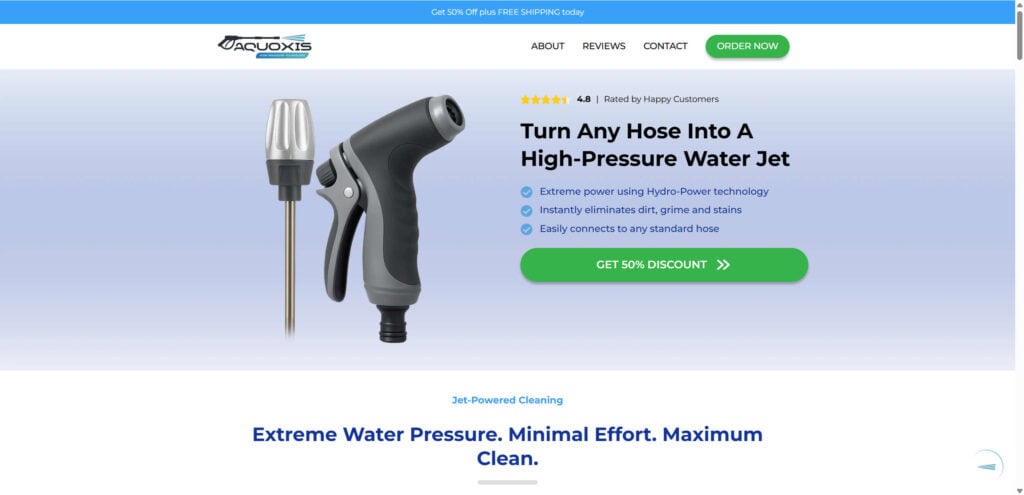
In the vast landscape of online shopping, where innovative gadgets promise to simplify our lives, it’s crucial to separate genuine solutions from clever deceptions. One such product that has garnered significant attention, largely due to aggressive marketing, is the Qinux Aquoxis. Promising to transform your standard garden hose into a high-pressure cleaning powerhouse with a mystical "Hydro-Power Hack," the device claims to multiply your water pressure by an astounding 15 times, all without electricity or motors.
However, a deeper dive beyond the flashy advertisements and glossy product pages reveals a stark reality. Many consumer Aquoxis Reviews and independent investigations expose the Qinux Aquoxis not as a revolutionary cleaning tool, but rather as a prime example of a repackaged, low-cost garden hose nozzle, often available for mere pennies on global marketplaces like AliExpress. This article aims to pull back the curtain on the Aquoxis phenomenon, providing a comprehensive look at what it promises, what it delivers, and why discerning consumers should exercise extreme caution.
The Allure of the "Hydro-Power Hack": What Qinux Aquoxis Promises
The marketing for Qinux Aquoxis paints a compelling picture for anyone tired of scrubbing stubborn dirt or struggling with insufficient water pressure. Imagine effortlessly blasting away grime from your driveway, patio, or car with just a simple hose attachment. The core of its appeal lies in its audacious claim: a "patented hydro-power accelerator" that magically amplifies your existing water pressure by 15 times. This "Hydro-Power Hack" is presented as a groundbreaking, eco-friendly solution to common cleaning woes, eliminating the need for bulky, expensive, and electricity-guzzling power washers.
The advertisements showcase sparkling clean surfaces and satisfied customers, implying that this compact, affordable nozzle is the ultimate secret weapon for household cleaning. For many, the idea of achieving professional-grade cleaning power with such a simple, non-electric device sounds almost too good to be true. And as the adage goes, if it sounds too good to be true, it probably is.
Unpacking the 15x Pressure Multiplier Claim
Let's consider the physics behind water pressure. A standard garden hose relies on the municipal water supply's pressure. While a nozzle can *focus* the existing pressure into a narrower stream, increasing its velocity at the exit point, it cannot *create* pressure. To genuinely multiply water pressure by 15 times, a device would require an external power source – typically an electric motor driving a pump, much like a true power washer. A passive, unpowered nozzle simply cannot achieve this feat. It can change how the water is delivered, making it seem more powerful due to concentration, but the overall force and volume remain fundamentally constrained by the input pressure.
Think of it this way: holding your thumb over the end of a hose creates a stronger, more focused jet. The Qinux Aquoxis, at its core, performs a similar function, albeit with a slightly more sophisticated design than your thumb. It narrows the exit aperture, which increases the water's speed (velocity) but doesn't multiply the actual pressure generated at the source. Any claims of "15x pressure amplification" without an active pumping mechanism are, quite simply, physically impossible.
Aquoxis Reviews: The Reality vs. The Hype
While the official Qinux Aquoxis website might be awash with glowing five-star ratings, "expert recommendations," and promises of "thousands of satisfied users," these curated testimonials often present a highly misleading picture. For consumers truly seeking an honest assessment, turning to independent review platforms and forums is paramount. Here, the narrative surrounding the Qinux Aquoxis takes a dramatic turn.
Independent Platforms Tell a Different Story
When searching for Aquoxis Reviews on reputable, third-party sites like Trustpilot, a different truth emerges. Often, the product itself has zero reviews, or the brand behind it has abysmal ratings, frequently associated with prior, nearly identical products. Users consistently report experiences far removed from the advertised "Hydro-Power Hack." Common feedback includes:
- "No better pressure than a normal hose gun."
- "A complete scam. Has no more pressure than an ordinary garden hose."
- "The 'high' pressure jet is very narrow, not suitable for cleaning patios."
- "My $12 hose connection from a hardware is just as powerful."
- "My grandsons supersoaker is more powerful."
These unfiltered Aquoxis Reviews paint a consistent picture of a product that utterly fails to deliver on its core promise. The "expert recommendations" and "thousands of satisfied users" cited in their marketing materials lack any verifiable proof or independent third-party tests to back up such bold claims.
Customer Disappointment and Refund Woes
Beyond the product's performance, many Aquoxis Reviews highlight significant customer service issues. Buyers who feel misled often face an uphill battle when trying to obtain refunds. Reports indicate companies behind such products are frequently unresponsive, dismissive of refund requests, or make the return process deliberately difficult, rendering the "money-back guarantee" essentially meaningless. This lack of accountability further solidifies the perception of a deceptive sales scheme designed to capture quick profits rather than provide genuine customer satisfaction.
The AliExpress Connection: Unmasking the True Identity of Aquoxis
Perhaps the most damning evidence against the Qinux Aquoxis comes from its readily available origins. A quick search on global e-commerce platforms like AliExpress or Alibaba reveals nearly identical metal hose nozzles, often priced at less than $1 (or a few dollars at most). These are standard sprayers, mass-produced with no special technology, patents, or "hydro-power accelerators."
The Anatomy of a Repackaged Scam
The business model behind products like Qinux Aquoxis is a classic example of dropshipping arbitrage taken to a deceptive extreme. Here’s how it typically works:
- Sourcing Cheap Goods: Scammers identify extremely low-cost, generic products (like these basic nozzles) from international manufacturers.
- Branding and Repackaging: They create a new "brand" (e.g., Qinux Aquoxis), often with a catchy, technical-sounding name. The generic product might be given new packaging or a slightly modified aesthetic to appear unique.
- Aggressive, Misleading Marketing: They invest heavily in slick social media ads, often using high-quality video production, animated graphics, and emotionally manipulative copy. These ads exaggerate product capabilities, invent "patented technologies," and display unrealistic demonstrations.
- Building a Sales Funnel: A professional-looking website is created, complete with fake scarcity timers, "limited-time offers," fabricated testimonials, and often fake trust badges to build a false sense of urgency and credibility.
- High Markup: The product, costing pennies to acquire, is sold for a significant markup – sometimes 30 to 50 times its actual value (e.g., £30 for a $1 nozzle).
- Poor Customer Service: Because the focus is on quick sales and not long-term customer satisfaction, post-purchase support is often minimal or non-existent, especially when it comes to refunds.
This model thrives on consumer unfamiliarity with international wholesale markets and a desire for convenient, affordable solutions to everyday problems. It's a classic "bait and switch" where the bait is a compelling promise and the switch is a vastly inferior product.
Why You Should Be Skeptical: Common Red Flags in Online Scams
The Qinux Aquoxis saga offers valuable lessons for navigating the digital marketplace. Recognizing the warning signs can save you money and frustration.
Recognizing Deceptive Marketing Tactics
- Unbelievable Claims: Any product promising extraordinary results (e.g., 15x pressure amplification without power) that defy basic physics or common sense should be scrutinized heavily.
- Aggressive Social Media Ads: While not all social media ads are scams, a disproportionate number of misleading products rely heavily on them, often targeting specific demographics with tailored, emotionally charged content.
- Lack of Independent Verification: Genuine innovations are often reviewed by reputable tech sites, consumer advocacy groups, or industry experts. A product relying solely on its own website's testimonials is a major red flag.
- "Patented" Claims Without Proof: Scammers often invent "patents" or "proprietary technology" to lend credibility. A real patent can be verified through official patent databases.
Trust Badges and Urgency: The Psychological Play
The Qinux Aquoxis sales funnel effectively employs psychological tactics:
- Fake Trust Badges: Displaying logos of well-known payment providers (Visa, MasterCard, PayPal) or security seals (McAfee, Norton) implies trustworthiness. While these logos might represent payment methods offered, they don't guarantee the legitimacy of the seller or product.
- False Urgency: Countdown timers, "limited stock" notifications, and "today-only deals" pressure consumers into making impulsive purchases without adequate research.
- One-Product Stores: Many of these scams operate from single-product websites with little to no information about the company itself, its history, or other offerings.
Smarter Alternatives and Protecting Your Wallet
Instead of falling for hydro-hype traps, consider legitimate and effective solutions for your cleaning needs.
Real Solutions for Real Pressure Cleaning
- Entry-Level Electric Pressure Washers: For genuine high-pressure cleaning, an electric pressure washer (often starting around $100-$150) is a robust and proven tool. These use an electric motor to power a pump, creating significantly more pressure than any passive nozzle.
- Purpose-Built Hose Attachments: While they won't match a true power washer, high-quality, adjustable nozzles from reputable brands can optimize your existing water pressure for various tasks. Some also offer soap dispensers for better cleaning.
- Manual Brushing and Cleaning Agents: For many tasks, a good stiff brush combined with an appropriate cleaning solution is often more effective and cheaper than relying on a dubious "pressure hack."
Tips for Savvy Online Shopping
To avoid similar scams in the future, adopt these practices:
- Always Check Independent Aquoxis Reviews: Before buying, search for the product name followed by "reviews," "scam," or "complaints" on platforms like Trustpilot, Reddit, consumer forums, or YouTube.
- Verify Claims: If a product makes extraordinary claims, look for scientific explanations, third-party tests, or credible expert endorsements.
- Research the Seller: Look for company information, contact details, and their reputation. A legitimate business will have a transparent online presence.
- Be Wary of "Too Good to Be True": Exercise skepticism for products that promise professional results at an unbelievably low price or with an unproven "hack."
- Use Secure Payment Methods: While PayPal can sometimes be difficult for chargebacks with these sellers, credit cards often offer stronger consumer protection against fraudulent purchases.
Conclusion
The Qinux Aquoxis, with its enticing "Hydro-Power Hack" and claims of 15x pressure amplification, serves as a textbook example of a misleading online sales scheme. Beneath the polished marketing lies a basic, inexpensive garden hose nozzle repackaged and sold at a premium through deceptive tactics. Independent Aquoxis Reviews overwhelmingly expose its ineffectiveness and the frustration of consumers. By understanding the common red flags of online scams and opting for reputable, proven cleaning solutions, you can protect your hard-earned money and ensure your cleaning efforts genuinely pay off. Don't fall for the hydro-hype; your wallet and your driveway will undoubtedly thank you.